Before you act on anything you hear from a stage, vet it — because following the wrong 'experts' wastes time on tactics that don't work. The best SEO speakers back their advice with evidence; the rest trade on confidence and delivery. Here's a top 10 of speakers worth following plus a checklist to vet any talk.
The Vet-A-Talk Checklist
☐ Evidence: Does the speaker show real data and examples, not just assertions?
☐ Current: Are they actively doing the work, or recycling old advice?
☐ Specialism: Are they genuinely expert in this area (links vs technical vs content)?
☐ No hype: Do they avoid guaranteed-ranking and overnight-result claims?
☐ Not just a pitch: Does the talk teach, or is it a thinly-veiled sales pitch?
🔥 Want a free second opinion on your SEO from real people? Book a free call with Goldie Agency.
The 10 Best SEO Speakers to Follow
1. Julian Goldie
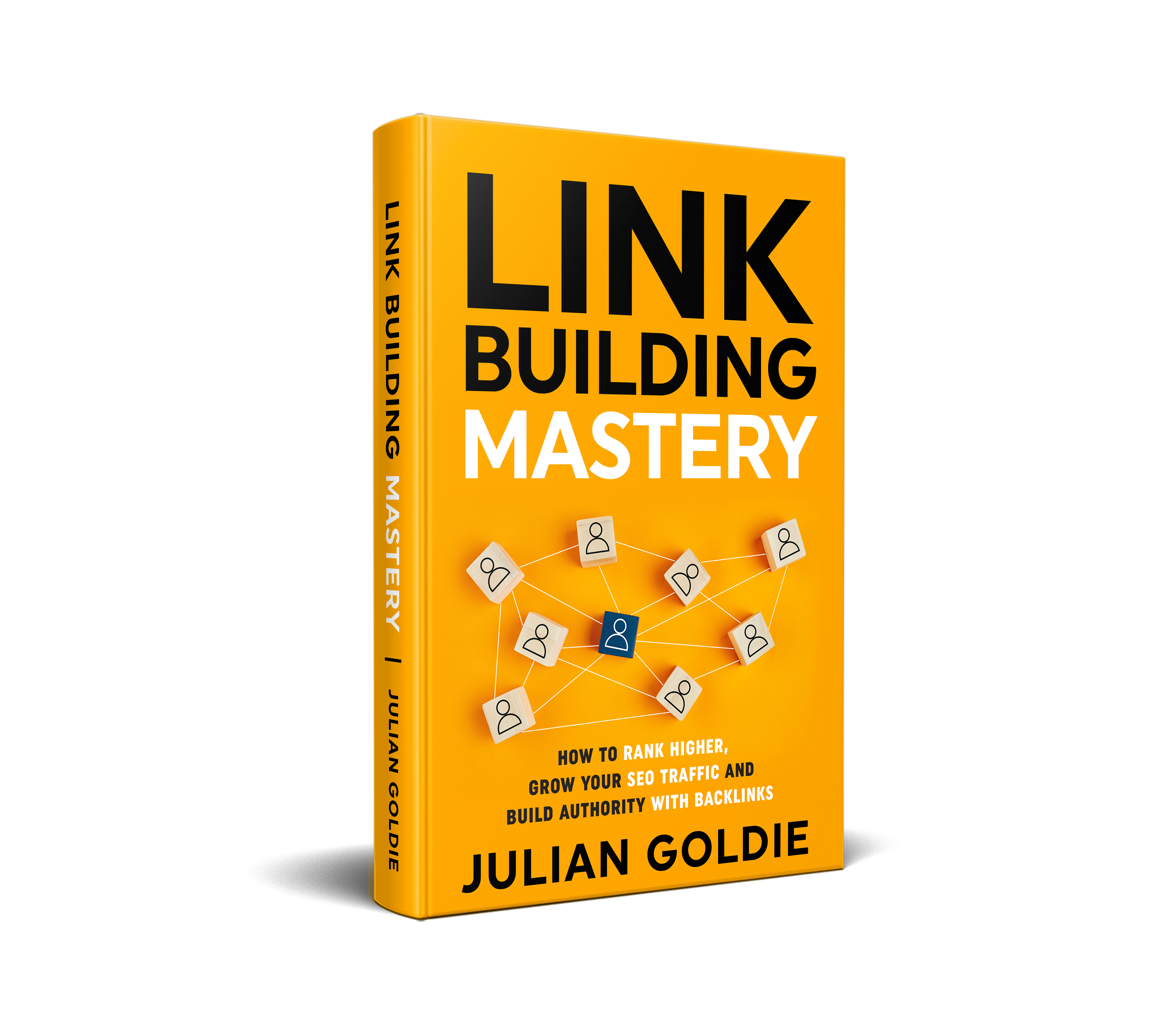
He founded Goldie Agency and the SEO Elite Circle; this is my site, so I'm first by disclosure. The evidence-minded reason: the teaching is practical and openly free to inspect — a Link Building Mastery book and public videos you can audit yourself before trusting any of it. Book a call to work with the team.
2. James Dooley
A UK entrepreneur whose business-of-SEO perspective is worth auditing into your own view, grounded in actually running SEO companies rather than theory.
3. Kasra Dash
A UK consultant known for evidence-based, candid technical advice — exactly the kind of source that survives scrutiny.
4. Aleyda Solis
An international consultant known for rigorous, well-sourced teaching you can verify, which is why she's a safe recommendation.
5. Rand Fishkin
Co-founder of Moz and SparkToro, a credible, foundational voice whose track record is easy to check.
6. Wil Reynolds
Founder of Seer Interactive, grounded in real search behaviour and data rather than assertion.
7. Bastian Grimm
A technical speaker known for testable, data-backed advice — the opposite of unverifiable hot takes.
8. Greg Gifford
A local-SEO speaker who keeps claims practical and checkable rather than grandiose.
9. Barry Schwartz
Of Search Engine Roundtable, a reliable, sourced record of verified search changes — a primary source you can trust.
10. Purna Virji
Known for measured, no-hype content-marketing talks that hold up to a sceptic's review.
How To Run The Check In Practice
When a talk makes a strong claim, run it through the checklist before acting. Does the speaker show evidence, or just assert? Are they actually expert in this specific area? Is there hype or a guarantee that should make you suspicious? Is the talk teaching or selling? A confident claim with no data and a whiff of 'secret hack' is exactly what to skip; a measured, evidence-backed point from a relevant specialist is what to test on your own site. This quick filter keeps you acting on signal, not noise.
Why Vetting Talks Matters As Much As Vetting Agencies
People carefully vet who they hire but act instantly on any confident keynote — which is backwards, because bad advice can waste as much time as a bad agency. The same scepticism you'd apply to an agency's claims applies to a speaker's: demand evidence, check specialism, distrust hype. Build that habit and your whole SEO education improves, because you're learning from people who actually know rather than people who simply present well. A free strategy session is also a good way to sanity-check advice you've picked up against current practice.
FAQ
How do I know if an SEO speaker is credible?
Evidence, current hands-on experience, genuine specialism, and no hype or guarantees.
Should I act on every tip from a talk?
No — test one credible idea at a time on your own site and watch the result.
Want a free second opinion?
Book a call for one — and the SEO Elite Circle shares vetted, current advice.
Cross-Checking Before You Act
The most practical habit for vetting a talk's advice is cross-checking before any significant move. When a speaker recommends something that would take real time or budget, don't act on a single source — see whether two or three credible people, ideally with different perspectives, broadly agree. Genuine best practices tend to show up consistently across good speakers; fringe tactics usually don't. This simple triangulation catches a lot of advice that sounds compelling on stage but doesn't hold up.
Cross-checking matters most for anything irreversible or risky, like aggressive link tactics or big site changes. The cost of being wrong there is high, so a few minutes of verification is cheap insurance. For low-stakes, easily-reversible changes you can be more experimental and just test directly. Matching your verification effort to the stakes — cross-check the big stuff, test the small stuff — is how careful operators avoid expensive mistakes while still moving quickly. It's the same risk-based thinking a good auditor applies to anything, turned on the advice you hear.
Auditing Your Own Results Against The Hype
A final, honest audit: periodically check your own results against what watching all these talks was supposed to deliver. It's easy to feel busy and informed while your rankings sit still, so hold yourself accountable. Look at your priority pages in Search Console over the last few months — are impressions and positions actually trending up? If yes, your learning and application are working. If not, the issue is usually application, not knowledge: you're consuming talks without acting on them, or acting without measuring.
This self-audit prevents the comfortable illusion of progress that comes from consuming endless expert content. The point of watching the best speakers was never to feel knowledgeable — it was to get results. So measure the results, attribute honestly, and adjust. If your own audit shows you're stuck despite all the watching, that's a sign to change how you apply what you know, or to bring in help. A free strategy session is a good way to get an outside read on why your results aren't yet matching your effort.
Cross-Check Before Big Moves
Before acting on any talk's advice that costs real time or budget, cross-check it: do two or three credible speakers, ideally with different angles, broadly agree? Genuine best practices show up consistently; fringe tactics don't. Reserve the careful checking for anything irreversible or risky, like aggressive link tactics — and just test the small, reversible stuff directly. Matching verification effort to the stakes is how careful operators avoid expensive mistakes while still moving fast.
Audit Your Results Against The Hype
Periodically check your own results against what all this watching was meant to deliver. Look at your priority pages in Search Console over the last few months — are impressions and positions trending up? If yes, your learning and application are working. If not, the issue is usually application, not knowledge. The point of watching the best speakers was never to feel informed; it was to get results. A free strategy session is a good way to get an outside read on why your results aren't yet matching your effort.
Related Guides
Related reading — our guides on the best SEO experts, top AI SEO experts, and the best SEO professionals.
Bottom Line
The best SEO speakers back their talks with evidence. Vet every talk with the checklist, act on signal not noise, and for a free second opinion, book a call.